

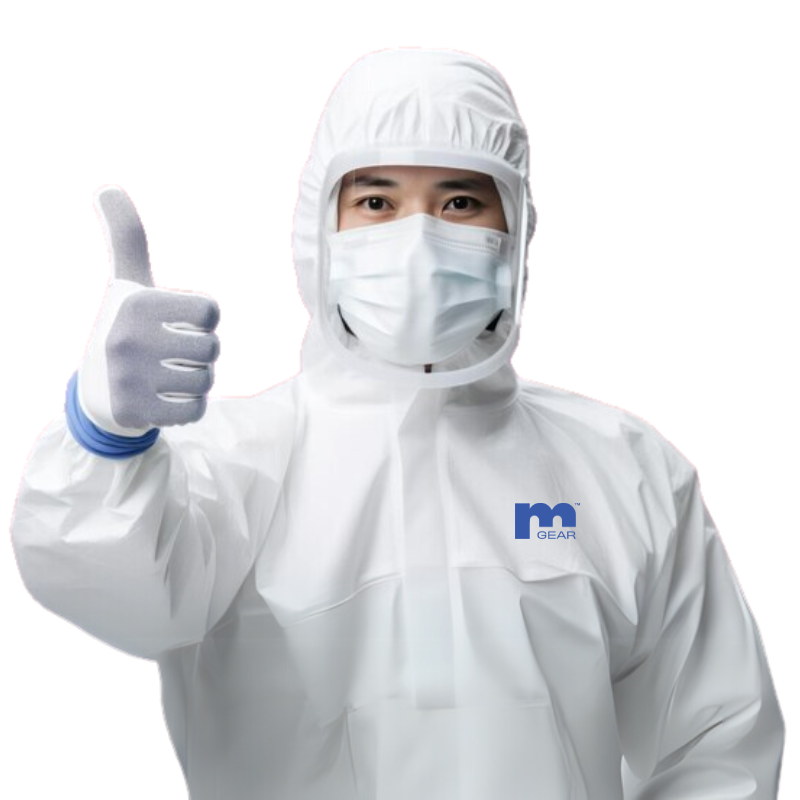
Safety in food production is not something you can afford to get wrong. Between sharp equipment, chemical sanitizers, extreme temperatures, and fast-moving production lines, workers face a long list of hazards every single shift. And while most facilities have PPE programs in place, the details matter more than people think. A small oversight in the type of glove you stock or the way coveralls fit can turn a routine workday into a serious incident.
Here are five common PPE mistakes we see in food production facilities, and what you can do to fix them.
1. Using the Wrong Glove Material for the Job
Not all gloves are created equal. A vinyl glove might work fine for light food handling, but it will not hold up when workers are dealing with raw proteins, hot surfaces, or chemical cleaning agents. Nitrile gloves offer better puncture resistance and chemical protection, making them a stronger choice for most food production tasks. Latex is another option, though allergy concerns have pushed many facilities away from it. The point is, picking gloves based on cost alone often leads to problems. Match the glove material to the actual task, not the budget line.
2. Skipping Eye Protection During Sanitation
Sanitation crews work with industrial-strength chemicals on a daily basis. Splashes happen. It only takes one drop of a concentrated cleaning solution to cause a chemical burn to the eye. Despite this, many facilities treat safety glasses or goggles as optional during cleaning shifts. That is a gamble that is not worth taking. Chemical-splash goggles should be standard issue for anyone handling or working near sanitation chemicals. If your team is not wearing them, you are leaving a gap in your safety program that could result in a serious injury or an OSHA citation.
3. Reusing Disposable PPE to Cut Costs
Budgets are tight. Everyone understands that. But stretching the life of single-use gloves, aprons, or coveralls is a false economy. Disposable PPE is designed for one use because the materials break down quickly. A nitrile glove that has been worn for three tasks in a row is thinner, weaker, and more likely to tear at the worst possible moment. The same goes for disposable aprons and sleeve covers. When they are worn past their intended lifespan, they stop protecting your workers and they stop protecting your product from contamination. Buy in bulk to bring your per-unit costs down, but do not ask your team to reuse items that were built to be thrown away.
4. Ignoring Proper Fit on Coveralls and Aprons
PPE that does not fit properly is PPE that does not work properly. A coverall that is too large can catch on machinery. One that is too tight restricts movement and tears easily. Aprons that hang too low create a tripping hazard. These are not minor inconveniences. They are safety risks that show up on incident reports. Take the time to stock a full range of sizes and make sure workers are actually wearing the right one. A quick sizing check during onboarding takes five minutes and can prevent problems that last much longer.
5. Overlooking Hearing Protection in Processing Areas
Food production floors are loud. Between conveyor belts, packaging machines, grinders, and ventilation systems, noise levels regularly exceed 85 decibels in many facilities. That is the threshold where hearing damage starts. Yet hearing protection is one of the most commonly skipped pieces of PPE in food manufacturing. Foam ear plugs are inexpensive and effective. Reusable ear muffs work well in areas where workers move in and out of noisy zones. Either way, if your facility has not done a noise assessment recently, that is a good place to start. You might be surprised at what the numbers show.
Getting It Right
None of these mistakes are hard to fix. Most of them come down to paying closer attention to what your team actually needs on the floor, rather than defaulting to whatever is cheapest or most convenient. The right PPE, worn the right way, keeps your workers safe and keeps your operation running without interruption.
If you are not sure whether your current PPE lineup is covering all the bases, reach out to the team at Mgear Supplies. We work with food production facilities every day and can help you find the right products for your specific operation.