

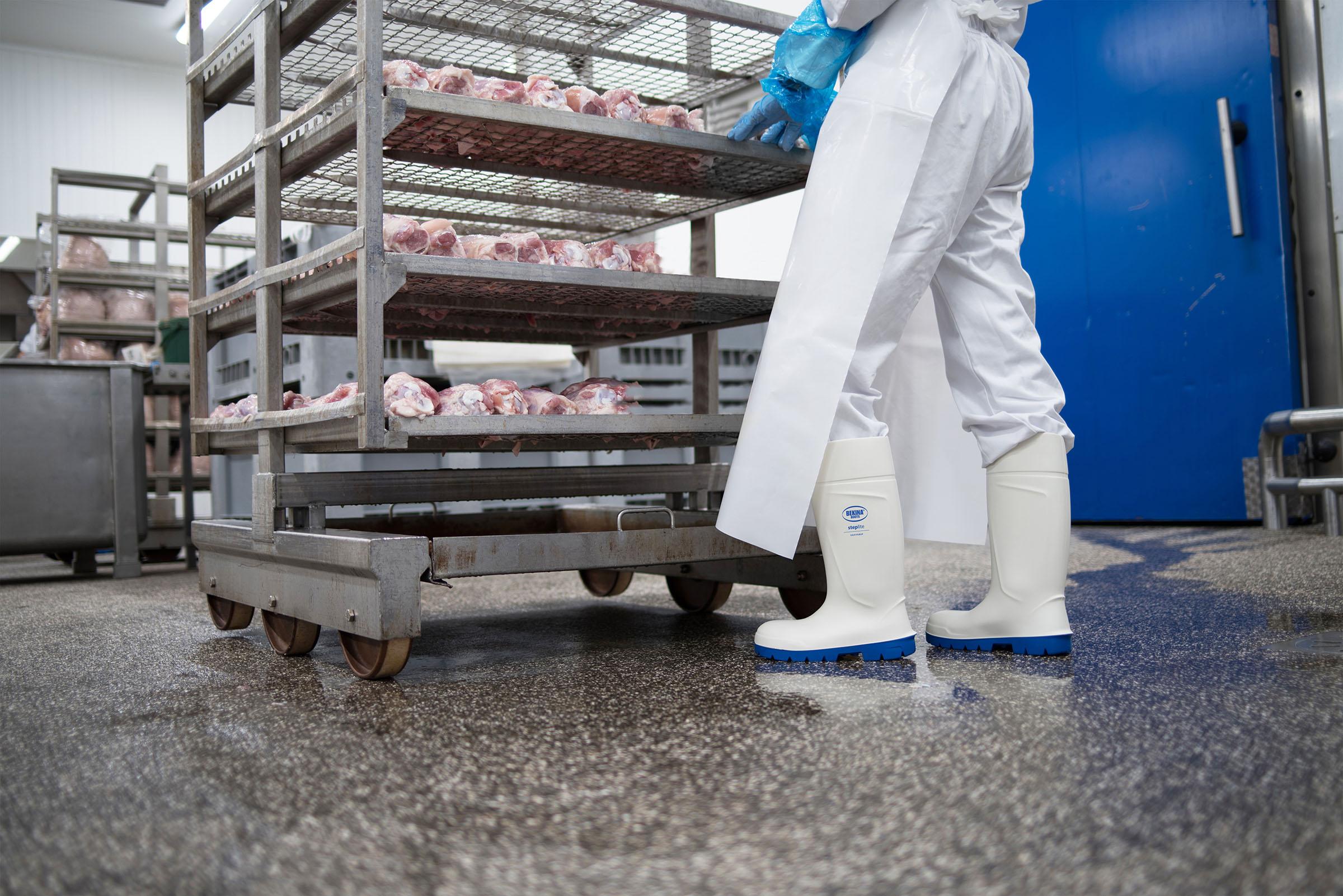
Keeping food safe starts with people. The right personal protective equipment, chosen and managed well, protects your team and your product, and it helps you pass audits with confidence. Below is a practical checklist you can use to align your PPE program with HACCP plans and current Good Manufacturing Practices, then tailor by zone and task.
The quick why
HACCP focuses on finding hazards, then controlling them at critical points in your process. PPE supports that control by reducing physical, chemical, and biological risks, and by preventing cross contamination as people move between zones. Pair your PPE standards with your HACCP plan and your CGMP procedures under 21 CFR Part 117 for a clean, consistent program.
Facility wide rules to set first
- Hair and beard containment. Require hairnets and beard covers for any facial hair. No loose jewelry.
- Glove policy by task. Use food contact suitable gloves where there is direct or indirect contact, and assign cut resistant liners for knife work. Change gloves when torn, soiled, or when changing tasks or allergens.
- Color coding. Assign colors by zone or allergen to stop cross traffic contamination.
- Metal detectable items where practical. Pens, earplugs, and small accessories should be detectable.
- Footwear control. Non slip footwear is baseline. Add boot dips or dedicated shoes for high hygiene zones.
- Face protection. Safety glasses for splash or chip hazards. Face shields for caustic chemical handling during sanitation.
- Hearing protection. Provide plugs or muffs in high noise areas and keep spares at entry points.
- Garment program. Smocks, coats, aprons, and sleeves should fit, cover street clothing, and be laundered or disposed based on soil level and risk.
Tip, document each rule in your HACCP prerequisite programs and link to procedures for donning, doffing, storage, and laundering.
The HACCP-ready PPE checklist by zone
1) Receiving and warehouse
- Bump caps or hard hats as required, high visibility vests if lift traffic is present.
- Cut resistant gloves for opening cases, general purpose coated gloves for handling pallets.
- Non slip safety shoes or boots.
- Disposable sleeves or smocks if pallets enter high hygiene areas.
Helpful picks at Mgear: general purpose nitrile coated gloves, corded ear plugs for noisy docks, and rain suits for outdoor offloading in wet weather.
2) Raw prep and ingredient staging
- Hairnets and beard covers, plus bouffant caps for long hair.
- Food contact suitable single use gloves. Consider double gloving for high changeover tasks.
- Aprons or liquid resistant smocks, disposable sleeves.
- Safety glasses or goggles if there is splash risk.
- Color coded garments to prevent cross traffic with cooked areas.
3) Cooking, hot fill, and thermal processing
- Heat tolerant gloves or mitts where needed.
- Face shields for splash, safety glasses, and sleeves.
- Non slip, heat resistant footwear if floors are hot or greasy.
- Hearing protection in high noise kettle or retort rooms.
4) Post-cook, packaging, and ready-to-eat zones
- Highest level of hair and beard coverage.
- Food contact suitable gloves. Avoid powders. Change at defined intervals.
- Clean smocks or coats, closed at the front, with pockets sealed or eliminated.
- Dedicated footwear or overshoes with boot dips on entry.
- No watches or rings. Pens and tools must be metal detectable.
5) Sanitation and chemical handling
- Chemical resistant gloves rated for the specific sanitizer or detergent.
- Full face shield over safety glasses, splash aprons, and sleeves.
- Waterproof boots with slip resistance.
- For foam and high pressure cleaning, rain suits add comfort and coverage.
6) Maintenance and utilities
- Cut resistant gloves, safety glasses with side shields, and face shields for grinding or cutting.
- Arc rated PPE when servicing energized equipment under an electrical safety program. Coordinate with NFPA 70E where applicable.
7) Visitors and contractors
- Keep sealed visitor kits at each entry. Include hairnets, beard covers, single use gloves, shoe covers, and safety glasses.
- Post short donning signs with photos. It speeds compliance.
How to choose gloves that pass audits
- Food contact suitability. Use gloves that meet FDA requirements for food contact materials where gloves may contact food, directly or indirectly. Keep spec sheets on file.
- Material selection. Nitrile is the common choice for barrier and durability. Vinyl is less durable. Add cut resistant liners for knife work under the outer glove.
- Size and comfort. Stock a full size range and train people to change gloves rather than stretch them.
- Change frequency. Define by task change, soil level, and allergen changeovers. Log the rule in sanitation SOPs.
Mgear stocks coated general purpose gloves for handling, plus single use options you can standardize across shifts. The Zorb-IT style general purpose glove is a comfortable go-to for dry handling, and corded ear plugs cover noise zones and are easy to track.
Managing garments, from smocks to rain suits
- Disposable vs reusable. Use disposables where soils are heavy or contamination risk is high. Use reusable coats for dry packaging zones with an in-house or contracted laundry.
- Closures and pockets. Choose snap or zipper fronts that close fully. Eliminate exterior pockets above the waist in RTE areas.
- Rain and washdown gear. Keep PVC or polyurethane rain suits for sanitation and outdoor work. Store them dry and away from food contact surfaces.
Color coding that actually works
Pick a simple palette and stick to it. For example, blue for raw, white for RTE, green for sanitation, red for allergens or maintenance. Apply the same colors to smocks, sleeves, gloves where possible, and storage bins. This makes visual checks fast and reduces training time.
Documentation that makes auditors smile
- PPE matrix by job and zone. One page that maps each role to required PPE.
- Vendor files. Keep technical data sheets, statements of food contact suitability where relevant, and change notifications.
- Issue and replacement logs. Track sizes and reorder points so people never borrow the wrong gear.
- Training records. Short, hands-on training for donning and doffing, storage, and change rules.
- Link it to HACCP. Reference your PPE prerequisites inside the HACCP plan, and verify during internal audits.
Five minute self audit
- Are hair and beard coverings available at every entry, including maintenance doors
- Do you have a posted glove change rule by task and by allergen
- Can a supervisor walk the line and match colors to zones without asking questions
- Are sanitation teams using face shields, chemical rated gloves, and waterproof aprons
- Do visitor kits exist, sealed, in the right sizes
If you missed one, update the PPE matrix and fix the point of use station today.
Stock smart with Mgear
You can build a HACCP-ready kit from a few reliable categories, single use gloves, coated handling gloves, hair and beard nets, smocks and sleeves, safety glasses and face shields, ear plugs, non slip footwear, and rain suits for sanitation. Mgear focuses on PPE and safety for food production and medical operations, with tailored support when you need to standardize across multiple sites.
Need help mapping this checklist to your plant
Send us your process flow and zone map. We will suggest a right sized PPE list, align color coding, and provide replenishment options so your team always has what it needs.