

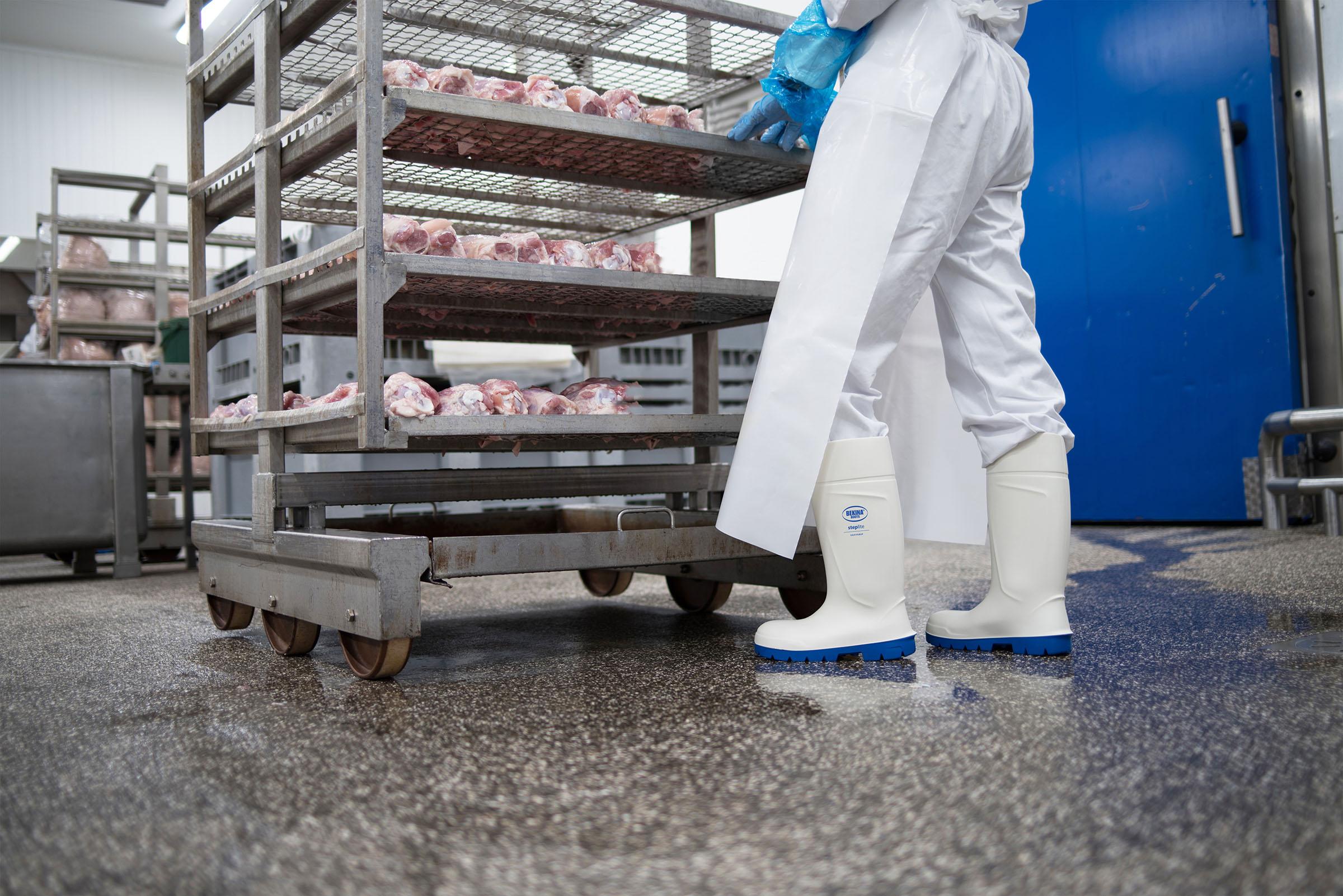
Preventing Cross-Contamination and Audit Failures
In food processing setup, little things can make the difference between an audit failure or corrective actions against a facility. PPE color-coding is one of the most disregarded details. When properly used, color-coding can prevent cross-contamination, enhance hygiene discipline and be easier to demonstrate when under inspection.
This guide describes the functioning of the PPE color-coding systems, why auditors are interested in them, and how a practical PPE color-coding system can be introduced to food processing facilities without interfering with the day-to-day operations.
Why PPE Color-Coding Matters
A visual control which minimizes human error is color-coding. During high-workload production, workers travel through zones, work, and equipment rapidly. Lack of distinct visual identification signals can easily result in the leakage of the PPE that is applied in the high-risk areas into the clean zones.
A system of color-coding is beneficial as it assists the facilities:
- Minimize cross-contamination of raw and finished products.
- Reduce the risks of allergen transfer.
- Simple visual rules can be improved to enhance compliance among employees.
- Exhibit process management in food safety audits.
Auditors do not simply examine the wearing of PPE. They evaluate the existence of controls to avoid contamination at zones. One of the quickest methods of demonstrating that control is color-coding.
Routine Hazards When PPE is Not Colored Divided
The same problems repeat themselves in facilities that do not use color-coded PPE:
- There are gloves worn in raw areas that are located in packaging zones.
- Production areas to which sanitation garments are taken.
- Crossing of Maintenance PPE between allergen and non-allergen zone.
- Patrons who come to controlled areas wearing the wrong protective equipment.
Such matters may result in audit results despite the availability of correct PPE in the field technically.
Zone Recommended PPE Color Standards
Although the color system is not required, uniformity is of primary importance rather than the color used. A realistic framework that numerous facilities use is as shown below:
Raw product handling
- Dark blue or black to indicate the risk of contamination.
Cooked or ready-to-eat areas
- White or yellow quick visibility light colors.
Allergen-controlled zones
- Special colors that are not shared in the facility.
Cleanliness and use of chemicals
- Bright colors such as red or orange to distinctly differentiate with food contact PPE.
Maintenance and engineering
- Colors kept out of production areas that are neutral or contrasting.
Tourists and temporary employees
- One specific color that is used by non-employees only.
This system must be consistent throughout the use of gloves, aprons, sleeves, hair nets, smocks and footwear covers.
What Auditors Seek in the Audits
PPE color-coding is normally tested by auditors in three manners:
- Separated visually: Are they able to distinguish immediately which PPE is in which zone?
- Written alignment: Are the color-coding congruent with the HACCP or GMP documentation of the facility?
- Employee knowledge: Are employees able to explain the rationale behind the need of some PPE colors?
When the system is written, observable and applied regularly, it tends to improve the confidence in the general audit.
Common Mistakes to Avoid
Despite the good intentions, even the well-planned programs may fail because of a set of common problems:
- Excessive use of colors confusing staff.
- Missing the assignment of colors in SOPs.
- Leveraging shortages in supply to institute color substitutions.
- Failure to train new employees or other temporary workers.
An easy system that is regularly followed is better than a complicated one that is impressive on paper.
The Smooth Rolling Out of a Color-Coding System
In order to introduce color-coding without operational interference:
- Begin first with the most dangerous areas.
- Match the PPE colors to the current cleaning or tool colors programs whenever feasible.
- Revise locker room decorations.
- Pilot train supervisors at the facility level.
- Have backup stock of every color to prevent replacements.
The best outcomes are likely to be experienced in facilities that consider color-coding process control instead of purchasing decisions.
Final Thoughts
PPE color-coding is a low-cost and high-impact control that helps maintain food safety, employee responsibility and audit preparedness. When properly implemented, it makes compliance easier and risk minimization without slowing down production.
A visible color-coding system will not be optional in the case of food processing plants that specialize in long-term consistency and cleaner audits. It belongs to the creation of the workplace where safety and efficiency mutually support one another on a daily basis.